
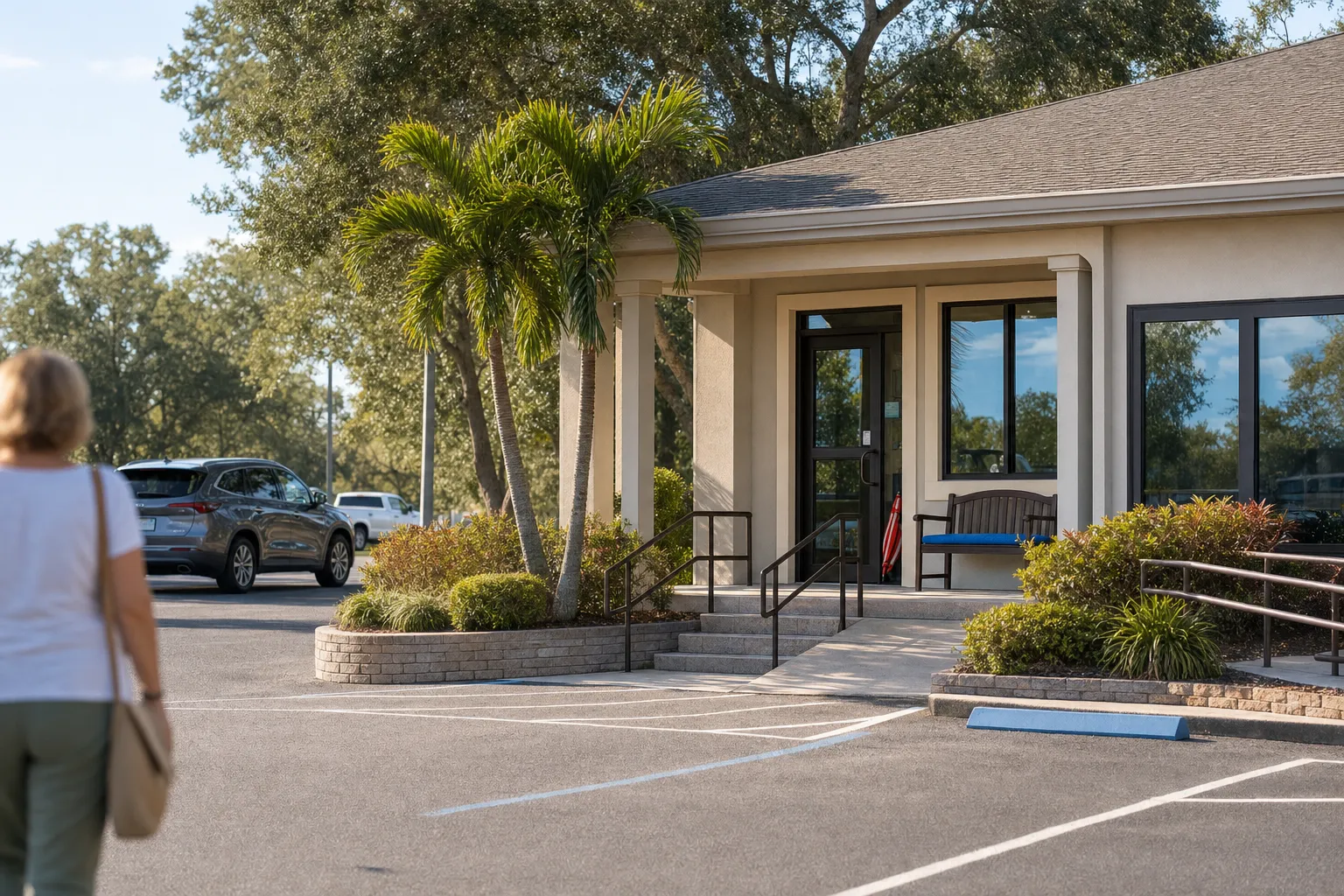
Property valuation determines the dwelling limit and replacement cost you need. For homeowners in The Villages Florida, we advise basing coverage on a current replacement cost estimate that reflects local rebuilding expenses rather than on market value.
What property valuation means for homeowners insurance
Property valuation is the process of estimating what it costs to repair or replace your home after a covered loss. Insurers use that estimate to set your dwelling coverage limit and decide whether you need endorsements for code upgrades, extended replacement cost, or separate coverage for attached features.
- Replacement cost. The amount to rebuild your home using similar materials at current local prices.
- Actual cash value. Replacement cost minus depreciation for age and wear.
- Market value. What the house would sell for, which includes land value and is not the right basis for dwelling coverage.
- Dwelling coverage limit. The policy line that pays to repair or rebuild the structure.
- Extended replacement cost and ordinance or law coverage. Extra protection when rebuilding costs exceed the stated limit or when building codes require upgrades.
Why property valuation matters in The Villages and Lake County
Local factors change rebuilding costs and the insurance choices homeowners should make. The Villages and nearby Lady Lake, Fruitland Park and other Lake County communities have a mix of older homes, retirement oriented neighborhoods, and properties inside homeowners associations. Those details affect valuations and coverage decisions.
We consider these local influences when we review policies for customers in Lady Lake and surrounding areas:
- Construction and labor costs in Lake County, which rise over time.
- Older homes and code driven upgrades, especially for electrical, roofing and hurricane protections.
- HOA master policies and how they interact with your individual condo or homeowner coverages.
- Flood and wind exposure that can increase the value of certain endorsements or separate flood insurance.
Because local rebuilding costs matter, we use neighborhood specific data and our experience serving The Villages area rather than relying on national averages.
Key concepts to understand
These are the ideas we explain to every homeowner so coverage matches what a rebuild would actually cost.
- Do not base dwelling limits on market value. Market value includes land and neighborhood demand, and it does not reflect rebuilding expenses.
- Replacement cost should include code upgrades. Older homes often need new wiring, insulation or roof systems to meet current building codes.
- Personal property valuation is separate. Contents coverage is usually a percentage of your dwelling limit unless you choose a specific schedule for high value items.
- Endorsements matter. Umbrella, additional living expense coverage, and flood insurance can be critical in Lake County.
Replacement cost versus market value versus actual cash value
| Coverage basis | What it covers | When it helps |
|---|---|---|
| Replacement cost | Rebuild or repair with similar materials at current prices | Sets the dwelling limit you need to fully restore the home |
| Actual cash value | Replacement cost minus depreciation | Lower payouts for older items, used for some personal property claims |
| Market value | Sale price of the property including land | Not appropriate for setting dwelling coverage |
How we assess property value when reviewing a homeowners policy
- Gather property details. We collect year built, square footage, construction materials, roof type, major upgrades and any outbuildings.
- Use local rebuilding cost data. We compare those details to recent local construction costs and contractor pricing to estimate replacement cost.
- Adjust for special features and code upgrades. If your home needs hurricane straps, new roof materials, or other code driven changes, we include those items in the estimate.
- Check master policy interactions. For HOA members or condo owners we review the association master policy so coverage gaps are clear.
- Recommend coverage options. Where appropriate we suggest extended replacement cost, ordinance and law coverage, and separate flood insurance.
Pro tip: Keep receipts, permits and photos of major renovations. Those documents speed an accurate valuation and a smoother claim process.
Documents and information to have before a policy review
Bring these items to a valuation review
- Recent appraisal or inspection reports, if available.
- Floor plans or property sketches and a note of any additions.
- Receipts and permits for major projects like a new roof or kitchen remodel.
- Photos of the interior and exterior showing current condition.
- HOA declaration or master policy summary when applicable.
Common homeowner questions about valuation in The Villages
Below are answers we give most often, clearly and without jargon.
- Will my market value affect my premium? Market value itself does not determine your premium. Insurers price risk based on replacement cost, claims history, construction type and local hazards.
- Should I increase my dwelling limit after a renovation? Yes, renovations often increase replacement cost. We review limits after any major upgrade so your coverage keeps pace.
- Do I need flood insurance if I do not live in a mapped flood zone? Flood risk can be local and change over time. We discuss flood exposure and the Federal Emergency Management Agency flood insurance program when it applies.
For technical background on flood insurance basics see FEMA flood insurance information at https://www.fema.gov/flood-insurance. To understand construction cost trends that affect replacement cost estimates see the U.S. Bureau of Labor Statistics PPI pages at https://www.bls.gov/ppi/.
Related services that often matter with property valuation
Valuation interacts with several other coverage decisions. When we review a homeowners policy we often discuss these related lines:
- Homeowners Insurance, which sets dwelling and personal property limits. See our homeowners insurance service page for details at Homeowners Insurance.
- Flood Insurance, a separate program that may be required by lenders or advisable based on local risk. Learn more about flood coverage on our flood insurance service page at Flood Insurance.
- Replacement Cost topic guidance, which explains how replacement cost works and why it matters. Read more on the replacement cost topic page at Replacement Cost.
- Umbrella and liability options that protect assets beyond the dwelling limit.
How local knowledge changes valuation outcomes
We have served Lady Lake, The Villages, Fruitland Park and neighboring Lake County communities for years. That local experience matters when estimating replacement cost. We know which contractors are active, typical permit costs, and common construction details in retirement communities and HOA neighborhoods.
If you live in Lady Lake or nearby, we can explain how community factors and association policies affect valuation and coverage choices. Learn about our service area and locations at Lady Lake Florida.
Key takeaway
Base your dwelling coverage on a current replacement cost estimate that reflects local rebuilding costs, not on market value. Local details such as home age, HOA master policies, and flood or wind exposure change the numbers and the choices you should make.
Frequently asked questions
How often should I update my property valuation for insurance?
We recommend reviewing your dwelling limit after any major renovation, roof replacement, or if construction costs in the area change significantly. For most homeowners an annual review is a good practice so coverage keeps pace with rebuilding costs.
Can I use a real estate appraisal to set my homeowners coverage?
An appraisal shows market value, which includes land and location premiums. Insurers need replacement cost estimates that reflect the cost of rebuilding the structure, not the sale price. We use appraisals as one input but we rely on replacement cost calculations tailored to local construction costs.
What is ordinance and law coverage and do I need it?
Ordinance and law coverage helps pay to bring your home up to current building codes during a rebuild, such as updated electrical systems or wind mitigation requirements. It is especially relevant for older homes in Lake County where codes have changed since the home was built.
Does my HOA master policy affect my individual insurance needs?
Yes. The HOA master policy may cover building exteriors or common areas. We review your association documents to identify gaps, such as whether unit interior finishes or personal property remain your responsibility.
Should I buy separate flood insurance if I have homeowners insurance?
Homeowners policies do not cover flood damage. If your property has any flood exposure, or if your lender requires it, you should consider flood insurance through the National Flood Insurance Program or a private flood policy. We discuss flood options during a coverage review.
Where to learn more and check our local profile
Read our topic page on property valuation for deeper guidance, review related coverage options on our services pages, and see local details for Lady Lake and nearby communities. You can also check our Google Business Profile to read customer reviews and get directions.