
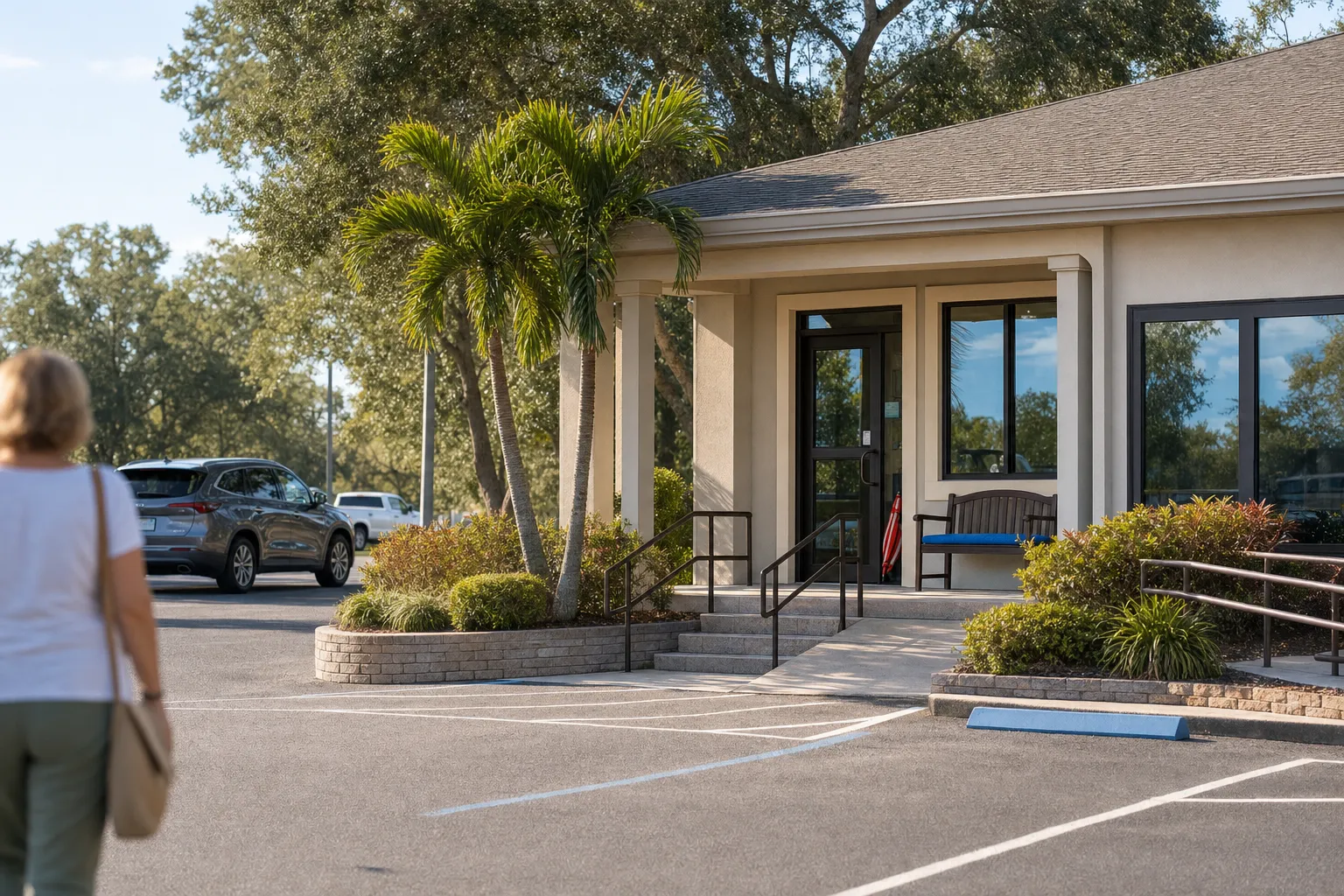
Underwriting factors for State Farm policies in Sunset Harbor, Florida include the property location and natural hazard exposure, the construction and roof condition, claims history, the use and occupancy of the property, and your personal risk profile such as credit based insurance score. We consider those items when we quote or review homeowners and condo insurance so you know what drives premium and what changes make a difference.
What underwriting factors are and why they matter
Underwriting factors are the data points an insurer uses to evaluate how likely a loss is and how big a payout could be. For homeowners and condo insurance those factors determine eligibility, limits, policy language and the price you pay. They matter most when risk is concentrated, for example near large bodies of water, in older neighborhoods, or where prior claims are common.
We explain these factors in local terms so residents of Sunset Harbor and nearby Lake County communities can make informed choices about coverage for homes, condos and seasonal properties.
Key underwriting factors we review for Sunset Harbor properties
- Location and hazard exposure. Proximity to tidal water, canals or low lying runoff affects wind and flood risk and the types of coverage you need.
- Construction type and roof condition. Roof age, roof covering, wall materials and foundation type influence how likely wind and water will damage the structure.
- Claims history. Recent claims at the address or multiple claims on the same property raise underwriting scrutiny.
- Occupancy and use. Primary residence, seasonal home, rental property or vacant status change both risk and available coverage options.
- Mitigation features. Shutters, reinforced doors, hurricane straps and certified roof work reduce loss probability.
- Home replacement cost. Accurate replacement cost helps set dwelling limits that avoid underinsurance.
- Age and condition of systems. Plumbing, electrical and HVAC condition affect water damage and fire exposure.
- Credit and activity indicators. In some states a credit based insurance score and driving or claims activity influence pricing and eligibility.
- Local building codes and retrofit status. Compliance with current wind and flood codes can change what coverages are available and how losses are settled.
Why these factors matter locally in Sunset Harbor and Lake County
Sunset Harbor sits within a coastal inland environment where wind, rainwater runoff and localized flooding are important considerations. That means two local realities affect underwriting more than in other places:
- Seasonal storm exposure. Strong storms and tropical weather raise the likelihood of roof and water damage.
- Older inventory and renovations. Many houses in Lake County were built before modern wind and flood codes, so retrofit status matters.
We work with homeowners in Lady Lake, The Villages and Fruitland Park to interpret those local conditions when discussing policy limits, flood insurance options and mitigation steps.
See our guidance on underwriting factors to explore the topic across property types and common scenarios.
Key concepts to understand
Exposure versus vulnerability
Exposure describes the hazards present, such as proximity to tidal water or storm surge. Vulnerability is how likely the property is to be damaged by those hazards, based on construction, roof age and maintenance.
Replacement cost versus market value
Underwriting focuses on replacement cost for the dwelling, because that determines how much it will cost to rebuild after a covered loss. Market value can move independently and is not a reliable guide for coverage limits.
Mitigation credits
Features such as impact rated windows, newer roofs installed to code, and secured garage doors can lower risk and sometimes qualify for credits or broader coverage options.
How underwriting differs for condos and single family homes
| Underwriting factor | Single family homeowners | Condo unit owners |
|---|---|---|
| Structure control | Underwriter evaluates the entire structure, roof, walls and foundation. | Association master policy usually covers the building shell, so underwriting focuses on interior finishes and unit specific exposures. |
| Loss assessment exposure | Direct responsibility for repairs to the whole home. | Potential assessments from the association for common area losses are a key underwriting consideration. |
| Flood and wind exposure | Property location and elevation determine flood and wind risk for the dwelling. | Same location based factors apply, but association mitigation and building design can change vulnerability. |
For more on condo coverage questions see our Condo Insurance page and for homeowners details see our Homeowners Insurance page.
What we look for during an underwriting review
- Address and map verification. We confirm the exact location and flood zone, coordinate with maps and, if needed, elevation data.
- Property characteristics. Year built, roof type and age, square footage, finished basement and construction materials.
- Occupancy and use. Whether the home is renter occupied, seasonal, vacant or owner occupied.
- Claims and loss history. Claims at the property or for the applicant that signal patterns.
- Mitigation and safety features. Storm shutters, updated wiring, smoke detectors and fire suppression details.
- Coverage choices. Limits, deductibles, optional endorsements such as ordinance and law, and additional living expenses.
Documents and information that help during underwriting and reviews
- Property address and recent photos of the exterior and roof.
- Any recent inspection or contractor reports, especially roof work receipts.
- Declarations pages from current or prior policies.
- Details of recent claims for the property and for the named insured.
- Floor plans and square footage if available.
Pro tip: If you plan renovations that change the replacement cost, tell us before the project so limits and endorsements match the finished value.
Common underwriting questions we hear in Sunset Harbor
Does being near water automatically mean higher premiums?
Proximity to water increases exposure to flood and wind related damage, which can raise premiums or require separate flood insurance. The exact effect depends on elevation, distance from tidal influence, and whether the property has mitigation features.
How much does roof age affect underwriting?
Roof age is one of the top underwriting triggers. Older roofs or roofs with nonstandard coverings often lead to higher scrutiny, higher deductibles for wind, or requirements to replace a roof to maintain full coverage.
Will prior claims on my property make it hard to insure?
Multiple recent claims, especially for similar types of losses, do increase underwriting concern. We review the causes and any mitigation work completed. In some cases additional loss control measures or increased deductibles are used rather than declining coverage.
Related services we commonly discuss
When we talk underwriting with clients in Lake County we often cover adjacent protection and planning topics that affect eligibility and exposure.
- Flood Insurance, for flood risk not covered by a standard homeowners policy.
- Condo Insurance, to cover interior finishes, personal property and loss assessments.
- Umbrella Insurance, for extra liability protection that can be important in populated neighborhoods and association settings.
Related locations and how local factors change underwriting
Underwriting looks different across our service area. For example, Lady Lake and The Villages are typically inland with different flood risk profiles than coastal neighborhoods, while Fruitland Park properties near lakes may need more attention to shoreline runoff.
For location specific guidance see our Lady Lake location page and similar local pages where we explain how codes, elevation and community plans change underwriting outcomes for nearby addresses.
Helpful resources and official references
When you want technical background on flood maps and hazard zones consult the FEMA flood mapping tools and the U.S. Census for local housing stock and building age data. For general background on underwriting concepts see the Wikipedia entry on insurance underwriting.
- FEMA flood map resources for flood zone and elevation details.
- U.S. Census Bureau housing and building age data for Lake County.
- Wikipedia, insurance underwriting for conceptual background.
How we apply underwriting knowledge in our work
We use underwriting insight to tailor coverages so you are neither uninsured after a loss nor paying for unnecessary overlap. Our team of licensed insurance professionals helps translate inspection items and mitigation work into appropriate limits and endorsements.
When we review a policy for a Sunset Harbor address we look for practical changes that reduce exposure, such as updating a roof to current code, adding hurricane rated protection, or ensuring dwelling limits reflect true replacement cost.
Checklist for a productive underwriting review
Before a review with our office
- Gather your current declarations page and any recent photos of the roof and exterior.
- Collect documentation of recent repairs and contractor receipts.
- List changes in occupancy, rental use or planned renovations.
- Note prior claims and dates for the property and the named insured.
Key takeaway
Location, construction, claims history and the intended use of the property are the main underwriting factors that determine coverage and price in Sunset Harbor. Preparing accurate property details and mitigation documentation helps ensure a smoother review and more appropriate coverage.
Frequently asked questions
What is the single most important underwriting factor for a homeowner in Sunset Harbor?
Location related exposure, especially to wind and flood, is often the single most important factor because it affects both the likelihood and potential severity of losses.
Do I need separate flood insurance if I have a homeowners policy?
Yes, standard homeowners policies generally do not cover flood. If a property is in a FEMA flood zone or has frequent standing water, a separate flood policy is usually necessary.
How does a condo association master policy affect my individual underwriting?
The master policy determines what the association covers for the building shell and common areas. Underwriting for your individual condo policy focuses on interior finishes, personal property and loss assessment exposure.
Will replacing my roof lower my premium?
Replacing an old roof with materials and installation that meet current codes can reduce underwriting risk and may improve options for coverage or credits, depending on the insurer and the specific roof work.
What documents should I bring for a policy review?
Bring your current declarations page, recent photos of the exterior and roof, any repair invoices, and a list of prior claims for the property and the named insured.
Learn more and check our local information
For a deeper look at underwriting factors across property types visit our topics and service pages on this site. You can also check our Google Business Profile to read recent reviews and get directions.