
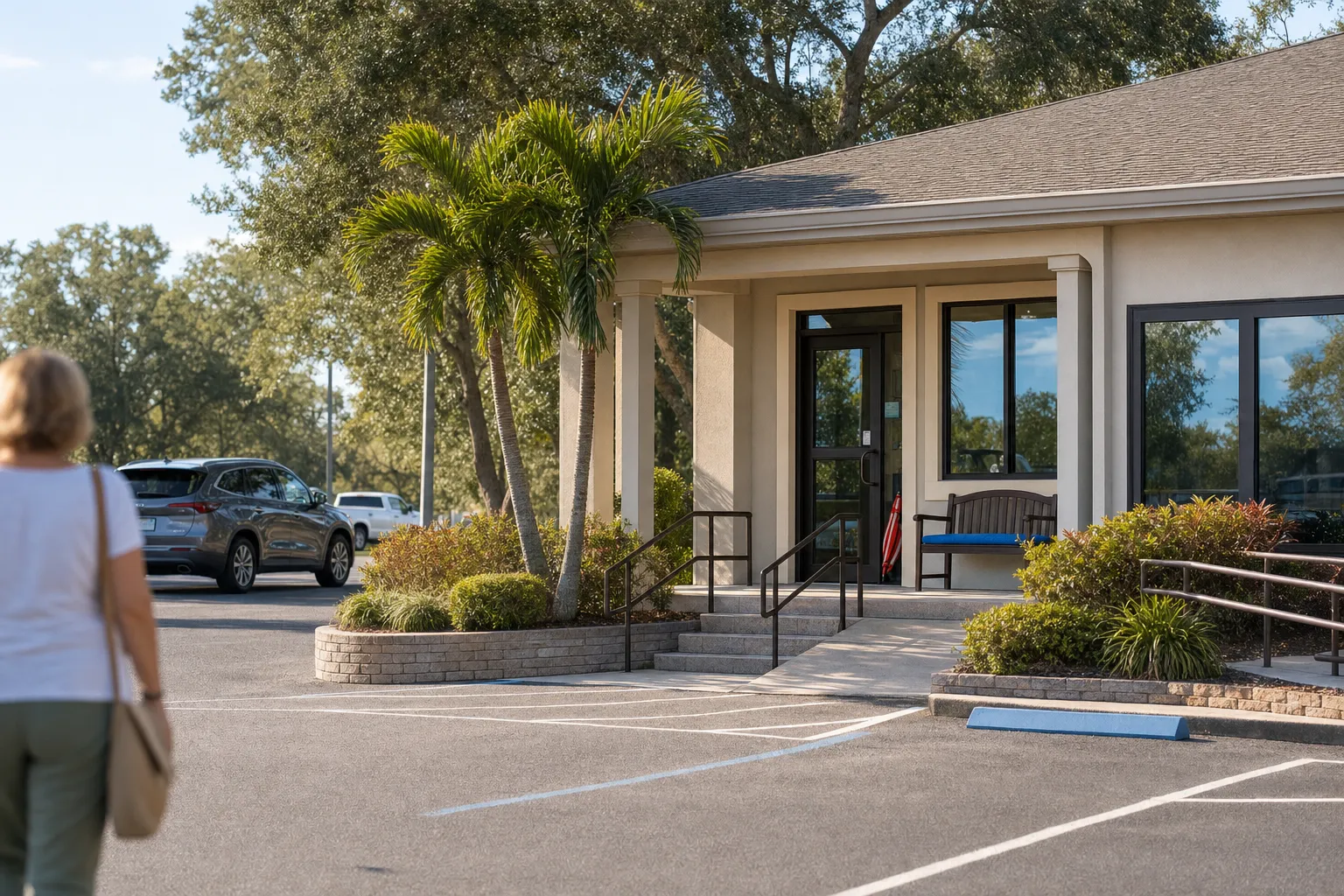
If you have flood damage in Coleman, Florida, start the claim as soon as it is safe. We will review your flood policy, help gather the documentation adjusters need, and work with you through the settlement process so you know what is covered and what to expect.
What is a flood claim
A flood claim is the formal request you submit to an insurer or the National Flood Insurance Program when water from rising bodies of water or storm surge damages your property. Flood claims are different from standard homeowners claims for plumbing leaks or roof failures. Flood coverage is typically through a separate flood policy, either through the Federal Emergency Management Agency run National Flood Insurance Program or a private flood policy. We help local homeowners and property managers understand which policy applies and how to start the claim.
Why flood claims matter in Coleman and Lake County
Coleman and neighboring Lake County communities sit in a landscape where heavy rains, tropical storms and runoff can produce flood losses. A flood claim is often the primary way for homeowners to recover structural and content losses after a flooding event. Filing promptly and documenting properly affects timelines, how quickly relief arrives, and the final settlement amount.
We see three local realities that make understanding flood claims important here:
- Many properties have separate flood and homeowners policies, so knowing which policy to use matters to coverage and deductibles.
- Local roads and low lying areas can delay access for adjusters and contractors, so early documentation protects your position.
- Lenders, HOAs and condo associations may have master policies or lender requirements that affect what you can claim for shared or structural elements.
Key concepts you should know
Coverage lines and who pays what
Flood losses are commonly covered by a flood insurance policy. Standard homeowners policies generally exclude surface flooding from outside the structure. If you are unsure whether a loss falls under your homeowners policy or your flood policy, we will review your declarations page and explain the division of responsibility.
Replacement cost versus actual cash value
Flood policies and homeowners policies use different valuation rules for structures and contents. Replacement cost covers like for like repair, while actual cash value factors in depreciation. We will point to the valuation clauses on your policy and show how they affect settlement numbers.
National Flood Insurance Program and private flood insurance
The National Flood Insurance Program, administered by FEMA, provides standard flood policies in many areas. Private flood insurance can offer alternatives with different limits or endorsements. We will review both types and explain how a claim proceeds under each.
Immediate steps after flood damage
- Ensure personal safety and follow local evacuation instructions.
- Take time stamped photos and video of exterior and interior damage before cleanup when it is safe to do so.
- Make a list of damaged items and keep receipts for emergency repairs and temporary housing.
- Contact your insurer to report the loss and ask about assigned adjuster and documentation requirements.
- Keep a copy of all communications, estimates and bills related to the loss.
How the flood claim process typically works
We answer this early so you know the sequence: report the loss, document damage, meet with the adjuster, agree on repairs or replacement, and settle. Below we expand each step and explain what we do to help.
- Report the loss. Call your flood insurer or the number on your policy to open a claim. We can review your declarations page with you so you know which policy to notify. If you have a National Flood Insurance Program policy, FEMA provides guidance online about filing a claim.
- Document everything. Photograph the damage, note water lines, and inventory lost personal property. Store copies of receipts for emergency work and temporary housing. Good documentation speeds approval and reduces disputes.
- Meet the adjuster. An adjuster inspects the property and prepares an estimate. We meet with clients to review adjuster reports, explain line items and suggest supporting documentation to clarify disputed points.
- Review the settlement offer. The insurer will offer payment based on policy limits and valuation rules. We help you verify the offer, check for omitted items and explain endorsement language that could affect coverage.
- Repairs and replacement. Once you accept a settlement or a final amount is agreed, repairs and replacement proceed. Keep receipts and notify us about contractor estimates so we can ensure they align with the claim file.
What we look for when assisting a flood claim
When we support a client through a flood claim we focus on three things: policy review, documentation quality, and communication with the carrier and adjuster. That means checking your policy declarations, limits, deductibles and any endorsements; making sure photographs and inventories are clear and timestamped; and advocating for appropriate valuation of both structure and contents.
Pro tip: Photograph waterlines, damaged building materials and serial numbers on appliances. A clear photo that shows the level of flooding often resolves questions about the scope of loss.
We will walk you through your policy language and explain what is covered, what is excluded, and what documentation will help move your claim forward.
Common pitfalls and how to avoid them
Flood claims can stall or provide less than expected payment when certain mistakes happen. We help clients avoid common pitfalls including delayed reporting, poor documentation, mixing cleanup too early without photos, and assuming homeowners coverage pays for flood losses.
- Delayed reporting can complicate proof of loss dates and cause missed deadlines.
- Immediate removal of wet materials without photos can make it harder to prove the extent of damage.
- Not keeping receipts for emergency repairs or alternative housing leads to disputes about additional living expenses.
- Confusing sewer backup or sump pump failure with flood from rising water can lead to coverage confusion; different endorsements may apply.
How adjusters and estimates work
An adjuster determines scope and cost. There are company adjusters and independent adjusters used by FEMA for NFIP claims. We explain line items you should expect on estimates, such as structural repairs, debris removal, and contents replacement. We also review depreciation and how it is applied under your policy.
If you disagree with an adjuster assessment, we can help gather supplemental documentation, contractor estimates and proof of replacement cost to support a supplemental claim or an appeal.
Related services we discuss with clients
Flood claims often touch other coverages and services. We review how homeowners insurance, contents coverage, and umbrella insurance interact with flood insurance. We also help clients understand lender requirements and HOA master policies that affect shared losses.
Learn more about our flood insurance options on our flood insurance page, or read about documentation strategies on our claims documentation topic page.
Flood Insurance and claims documentation are two resources we use with clients when a loss occurs.
Local considerations for Coleman Florida homeowners
Local factors like road access, seasonal storms and nearby water bodies influence how a claim is handled. If roads are closed or adjusters have limited access, documentation you take immediately can be especially valuable. We also consider local building codes and contractor availability when reviewing repair timelines and estimates.
We serve Coleman and nearby communities from our Lady Lake office and are familiar with local permitting and rebuilding timelines that affect claim resolution. For neighborhood specific guidance see our Coleman location page.
Coleman Florida location information explains the communities we serve and the kinds of local questions we commonly address.
Helpful resources and authoritative guidance
When we advise clients we reference authoritative guidance for claims and flood preparedness. Helpful public sources include FEMA guidance on filing a flood insurance claim, consumer advice from the National Association of Insurance Commissioners, and educational resources about floods from NOAA.
What documentation to prepare
Strong documentation is the single most important factor in a smooth claim. We recommend you prepare the following and keep digital and physical copies.
- Time stamped photos and video of exterior and interior damage and water lines.
- An inventory of damaged personal property with make, model, serial number and approximate purchase dates.
- Receipts for emergency repairs, temporary housing and any debris removal.
- Copies of your policy declarations and any endorsements that mention flood, sewer backup or sump pump coverage.
- Communications log with dates, names and notes of phone calls or emails related to the claim.
Common questions about flood claims
Below are frequent questions our clients ask. If you need clarification on your situation, we review the policy and clarify the answers based on your declarations and coverages.
Quick answers checklist
- Do I file with my homeowners carrier or my flood carrier, the NFIP or a private flood insurer? Check your declarations page. Flood losses usually go through a flood policy.
- How long do I have to file a claim? File as soon as it is safe. NFIP and private insurers have specific proof of loss and filing deadlines we will review with you.
- Will my deductible apply? Yes. Flood policies have separate deductibles that affect settlement amounts.
- Is mold covered? Many policies limit or exclude mold resulting from unresolved wet conditions. Prompt documentation and drying matter.
When to involve professionals and what they do
We do not replace licensed contractors or adjusters, but an organized approach helps. Use licensed contractors for repair estimates, and consider a public adjuster only if the claim is complex and you need third party advocacy. We will coordinate with licensed professionals and explain the differences between company adjusters, independent adjusters and public adjusters so you can make an informed choice.
For homeowners uncertain about repair quality or value, ask for itemized contractor bids and permits. We will review those documents with you as part of the claim file.
Related topics and internal resources
For deeper reading on claim related topics, see our resource pages about claims process, claims documentation and homeowners insurance. Those pages explain policy language, timelines and documentation in greater detail and are a natural follow up if you are preparing a claim.
Frequently asked questions
Frequently asked questions
How quickly should I report flood damage?
Report the loss as soon as it is safe to do so. Early notification preserves your right to coverage and begins the adjuster assignment process. We will review your policy and the insurer s deadlines when you call.
What if the adjuster s estimate seems too low?
If you believe the estimate omits items or undervalues repairs, gather contractor estimates, additional photos and receipts. We will review supplemental documentation with you and submit it to the insurer for reconsideration.
Does flood insurance cover basement contents and finished basements?
Coverage for basements and contents depends on your policy terms. NFIP policies, for instance, treat basements and certain below grade areas differently. We will explain how your policy defines basements and what is eligible for coverage.
Can I do cleanup before the adjuster arrives?
Do only necessary emergency work to protect persons and property, and retain receipts. Photograph damage before major cleanup when it is safe. Removing wet materials without documentation can make it harder to prove the full extent of loss.
What documentation does the NFIP require for a proof of loss?
The NFIP requires a signed proof of loss form with an inventory of damaged items, receipts and estimates. FEMA s NFIP guidance page outlines required forms and deadlines for federal flood policies.
Key takeaway
Prompt reporting, clear documentation and a careful review of your flood policy are the steps that most influence the outcome of a flood claim in Coleman. We will help you interpret your declarations page, organize documentation and communicate with the adjuster so you can focus on recovery.
Learn more and check local reviews
For local context and reviews, check our Google Business Profile to read customer experiences and get directions. To learn more about coverage and related topics, visit our flood insurance service page and our coverage topics.